Biography
Introduction: A Life of Unyielding Resistance
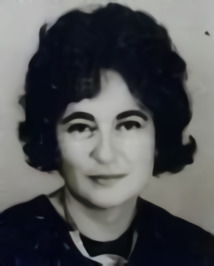
Ruth First† (1925-1982) stands as one of the most formidable and influential figures in the history of the South African anti-apartheid movement. A pioneering investigative journalist, a brilliant academic, and a dedicated activist, her life was a testament to intellectual rigor and unwavering political commitment. Her key achievement lies in her dual legacy: exposing the brutal mechanics of apartheid through fearless journalism and later, providing a critical intellectual framework for understanding oppression through her scholarly work. As a white woman (denoted by 'F' and 'WC' in historical records) who dedicated her life to the liberation of Black South Africans, Ruth First† occupied a unique and dangerous position. Her life was tragically cut short in 1982 when she was assassinated by a parcel bomb sent by the apartheid regime, cementing her status as a martyr for the cause of freedom. Her story is an essential chapter in the global narratives of Politics & Government, liberation journalism, and radical academia.
Early Life & Education: Forging a Political Consciousness
Ruth First was born on May 4, 1925, in Johannesburg, South Africa, to Jewish immigrant parents from Latvia. Her father, Julius First, was a founder of the South African Communist Party (SACP), embedding radical politics into the family home from her earliest days. This environment profoundly shaped her worldview. She attended Jeppe High School for Girls and later studied at the University of the Witwatersrand (Wits) from 1942 to 1945. At Wits, she earned a Bachelor of Arts in Social Studies and immersed herself in political activism, joining the Communist Party and becoming a central figure in a vibrant circle of young radicals that included Nelson Mandela, Joe Slovo (whom she would later marry), and other future leaders of the liberation movement.
Her formative experiences at university solidified her commitment to confronting injustice. She was involved in student protests, helped organize strikes among Black workers, and began to hone her skills as a writer and researcher. This period laid the groundwork for her understanding that intellectual work and political activism were inseparable in the fight against the systemic racism of what would soon be formally codified as apartheid in 1948.
Career & Major Achievements: From Muckraking Journalism to Exiled Scholarship
The career of Ruth First† can be divided into two potent phases: her work as an investigative journalist in South Africa and her prolific output as an academic in exile.
Investigative Journalism and Anti-Apartheid Exposés
After university, Ruth First† became a journalist and editor for radical publications like the Guardian (and its subsequent banned successors: Clarion, People's World, Advance, and New Age). Her journalism was characterized by meticulous investigation and a focus on the human impact of apartheid policies. She exposed the horrors of the migrant labor system, forced removals, and prison conditions. One of her most significant early works was her investigation into the 1946 African mineworkers' strike. Her fearless reporting made her a prime target for the state; she was listed as a "communist" under the Suppression of Communism Act in 1953, subjected to constant surveillance, and detained without trial in 1963 for 117 days under the infamous 90-day detention law. Her harrowing solitary confinement experience was later detailed in her book 117 Days (1965).
Academic Work in Exile and Major Publications
After her release, she fled into exile in 1964, eventually settling in England. Here, she transitioned into academia but maintained her activist scholarship. She worked as a researcher and lecturer, most notably at the University of Durham and later as a professor at the University of Manchester. Her academic work was groundbreaking. Her 1970 book, The Barrel of a Gun: Political Power in Africa and the Coup d'État, was a critical analysis of military coups in post-colonial Africa. Perhaps her most influential scholarly achievement was her 1982 study of migrant labor in Mozambique, Black Gold: The Mozambican Miner, Proletarian and Peasant. This work exemplified her method: deep, on-the-ground research that gave voice to the oppressed and analyzed the economic structures underpinning their exploitation. In 1979, she took up a post as director of research at the Center for African Studies at Eduardo Mondlane University in Maputo, Mozambique, where she continued her work until her assassination.
Impact and Key Contributions
- Exposing Apartheid: Her journalism provided crucial evidence of the regime's crimes to both a local and international audience.
- Intellectual Rigor: She brought a sharp, materialist analysis to the study of oppression in Southern Africa, influencing a generation of scholars.
- Bridge Between Activism and Academia: She demonstrated how scholarly research could directly serve the liberation struggle.
- Inspiration: As a woman in male-dominated spheres of both militant politics and academia, she paved the way for others.
Personal Life & Legacy: The Human Cost of Commitment
Ruth First's personal life was inextricably linked to her political struggle. In 1949, she married Joe Slovo, a leading figure in the SACP and the military wing of the African National Congress (ANC), Umkhonto we Sizwe. Their partnership was a formidable alliance within the liberation movement. They had three daughters: Shawn, Gillian, and Robyn. Life in exile was challenging, marked by separation from home and the constant threat of state violence. Her interests were her work; her philanthropy was her relentless investment in the intellectual and political development of the struggle.
Her legacy is profound and multifaceted. She is remembered as a martyr, assassinated on August 17, 1982, by a letter bomb sent by South African security operatives while working in her Maputo office. This act underscored the regime's fear of her powerful voice. Today, her legacy lives on through her extensive writings, which remain essential reading for historians and political scientists. The Ruth First Memorial Trust at the University of the Witwatersrand continues her work by supporting investigative journalism in Southern Africa. Her life story has been depicted in films and biographies, ensuring that her courage, intellect, and ultimate sacrifice are not forgotten in the narrative of South Africa's journey to democracy.
Net Worth & Context of Activist Scholarship
It is important to contextualize the concept of "net worth" in relation to a figure like Ruth First†. She was not driven by financial gain but by political conviction. As a banned journalist and later an academic in exile, her career path was one of significant personal and financial sacrifice. Unlike business figures, her "value" cannot be quantified monetarily. Her wealth lay in her intellectual capital, her vast body of published work, and her immeasurable contribution to the ideological arsenal of the anti-apartheid movement. Any financial resources she had were dedicated to supporting her family in exile and funding her research and political work. The persecution she faced—bans, detention, exile—precluded the possibility of traditional financial success or business ventures. Her enduring "worth" is her legacy: the inspiration she provides to activists, journalists, and scholars committed to social justice, a legacy that continues to yield dividends in the ongoing struggles for equality and truth.
Sources & Further Reading: Key works by Ruth First include 117 Days, The Barrel of a Gun, and Black Gold. Biographies such as Ruth First and Joe Slovo in the War Against Apartheid by Alan Wieder provide deeper insight. Reputable historical archives include the South African History Online and the University of the Witwatersrand archives.
Net Worth Analysis
Ruth First was assassinated in 1982; she was an academic and anti-apartheid activist, not a business figure with a quantifiable personal fortune.
Quick Stats
Related People
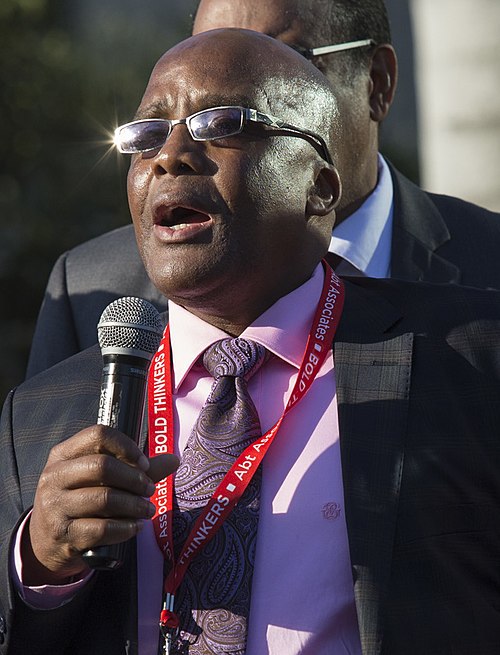
Aaron Motsoaledi
LP; Minister of Home Affairs
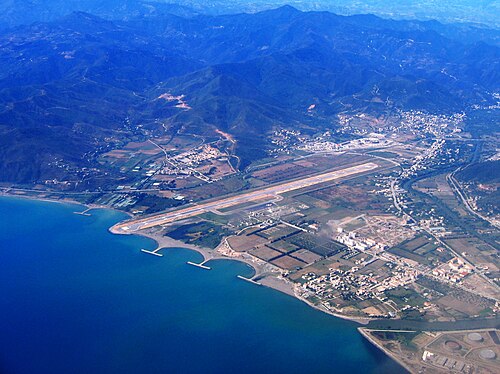
Abane Ramdane†
FLN Leader & Strategist
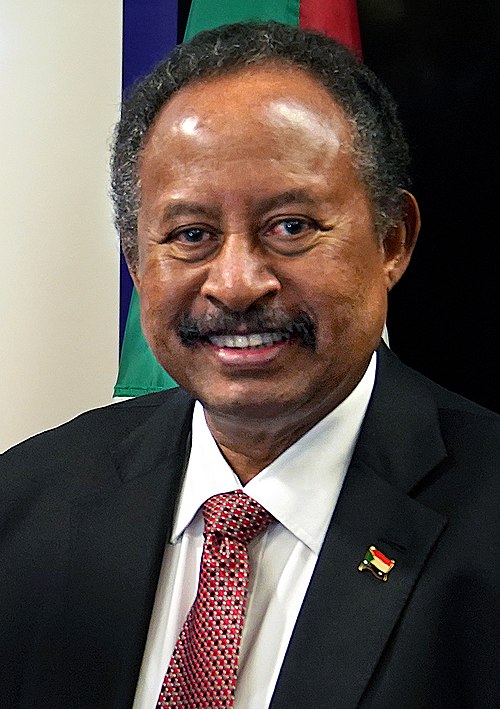
Abdalla Hamdok
Ex-Prime Minister
Abdallah Kigoda
Ex-Minister of Natural Resources