Biography
Introduction: The Consensus Builder
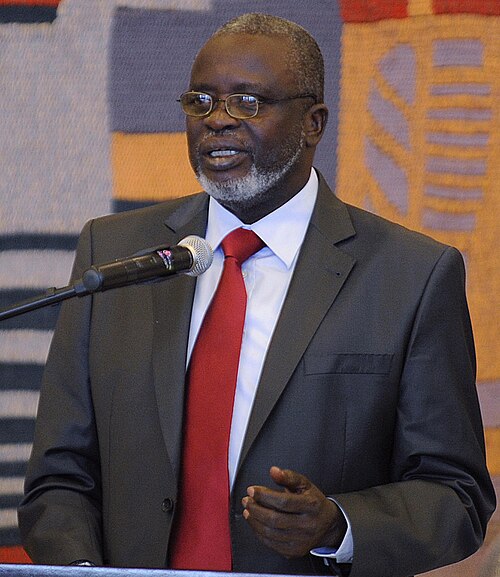
Malam Bacai Sanhᆠstands as a significant figure in the modern political history of Guinea-Bissau, a nation long plagued by instability and military coups. Serving as the Ex-President (2009-2012), his tenure is remembered as a brief but crucial period of relative calm and democratic governance. A career politician and a stalwart of the African Party for the Independence of Guinea and Cape Verde (PAIGC), Sanhá's rise to the presidency was the culmination of decades of public service. His key achievement was restoring constitutional order and civilian rule following the political assassinations of 2009, providing a fragile yet vital sense of stability. The biography of Malam Bacai Sanhᆠis intrinsically linked to his nation's turbulent journey, marking him as a respected elder statesman who sought dialogue over conflict in the complex arena of Guinea-Bissau Politics & Government.
Early Life & Education: Forging a Political Consciousness
Malam Bacai Sanhá was born on May 5, 1947, in the village of Dar Salam, located in the Quinara region of what was then Portuguese Guinea. Growing up under colonial rule, his formative years were shaped by the burgeoning movement for national independence led by the PAIGC and its founder, Amílcar Cabral. This environment instilled in him a strong sense of political purpose and national identity from a young age.
Unlike many of his contemporaries who pursued military or extensive academic careers abroad, Sanhá's education and early professional life were more administrative in nature. He trained and worked as a medical assistant, a role that connected him directly with the needs of the local population. This grassroots experience proved foundational, grounding his political outlook in the practical realities of his fellow citizens. His political education occurred within the structure of the PAIGC, where he steadily rose through party ranks, demonstrating loyalty, organizational skill, and a commitment to the party's socialist-inspired principles. This blend of local service and party discipline became the hallmark of his career path within the Executive Presidency structure that would later emerge in an independent Guinea-Bissau.
Career & Major Achievements: The Path to the Presidency
Malam Bacai Sanhá's political career was a long and patient climb within the PAIGC apparatus. Following Guinea-Bissau's independence in 1974, he held various significant administrative and governmental positions, building a reputation as a competent and reliable figure.
Rise Through the Ranks and Interim Leadership
His first major national role came in 1994 when he was elected President of the National People's Assembly, a position he held until 1999. This role honed his skills in legislative procedure and political negotiation. The turning point in his career arrived in 1999 following a civil war. With President João Bernardo Vieira ousted, Sanhá, as Speaker of Parliament, constitutionally assumed the role of Interim President of Guinea-Bissau from May 14, 1999, to February 17, 2000. This period was marked by immense challenges, including overseeing a transition government and preparing for elections. Although he lost the 2000 presidential election to Kumba Ialá, his dignified conduct during this crisis bolstered his stature.
The Presidency (2009-2012)
After years of further political turmoil, including the assassination of President Vieira in March 2009, Guinea-Bissau held emergency elections. Malam Bacai Sanhá†, representing the PAIGC, emerged victorious in the July 2009 presidential run-off, defeating his rival with a message of peace and reconciliation. His election as Ex-President (2009-2012) was widely welcomed by the international community as a step toward normalization.
His major achievements in office included:
- Restoring Civilian Constitutional Order: He successfully reclaimed authority from the military leaders who had held sway since the 2009 assassinations, re-establishing the primacy of civilian government.
- Promoting National Dialogue: Known for his conciliatory style, Sanhá worked to mediate between the country's fractious political and military factions, aiming to reduce tensions.
- Securing International Support: His legitimate government helped reintegrate Guinea-Bissau with international partners, including the United Nations, African Union, and Community of Portuguese Language Countries (CPLP), who saw him as a credible partner for development and anti-drug trafficking efforts.
- Economic Stabilization Efforts: Facing a dire economic situation, his administration worked with the IMF and World Bank to manage the country's substantial debt and seek funding for public services.
However, his presidency was constrained by the overpowering influence of the military, particularly in the realm of alleged drug trafficking, limiting his ability to enact deep-seated reforms. His focus remained on maintaining stability and preventing further conflict.
Personal Life & Legacy: The Gentleman Politician
Known for his calm demeanor, soft-spoken nature, and trademark pipe, Malam Bacai Sanhá was often described as a "gentleman politician." He was a devout Muslim, which informed his personal ethics and approach to conflict resolution. His personal life was largely kept private, though he was known to be married and a father. His modest lifestyle contrasted with the opulence associated with some other leaders, reinforcing his image as a man of the people.
The legacy of Malam Bacai Sanhᆠis complex. He passed away on January 9, 2012, in Paris, France, after a prolonged illness, cutting his presidency short just as the country was heading to new elections. His death created another power vacuum, leading to fresh instability. Nonetheless, he is remembered as a symbol of constitutional legitimacy and a tireless advocate for civilian rule in a country where it is perpetually under threat. His commitment to democratic processes and peaceful dialogue, even in the face of immense obstacles, set a standard for political conduct. In the annals of Guinea-Bissau Politics & Government, he is revered as a stabilizing force during one of the nation's most volatile chapters—a president who provided a necessary, though fleeting, interlude of order.
Net Worth & Business Ventures: A Life of Public Service
Unlike leaders known for amassing personal wealth, Malam Bacai Sanhá's life was defined by his commitment to public service within the structures of the PAIGC and the state of Guinea-Bissau. There are no credible records or reports suggesting he engaged in significant private business ventures or accumulated substantial personal wealth. His career trajectory—from medical assistant to party official, parliamentary speaker, and finally president—was squarely within the public sector. In a country often cited for corruption and state capture, Sanhá's reputation remained largely unscathed by major financial scandal. His perceived modest means aligned with his public persona as a dedicated, if not always powerful, servant of the state. Any discussion of his net worth is therefore less about financial valuation and more about his political capital, which was rooted in respect, patience, and a deep-seated loyalty to his party and nation's constitutional framework.
Sources: Information for this biography is compiled from reputable news archives and historical records covering Guinea-Bissau politics, including reports from the United Nations, African Union, BBC Monitoring, and Portuguese-language news agencies such as Lusa. Key events and dates are cross-referenced with multiple historical timelines of Guinea-Bissau.
Net Worth Analysis
Malam Bacai Sanhá was a public servant with no known significant private wealth or business holdings, and he passed away in 2012.
Quick Stats
Related People
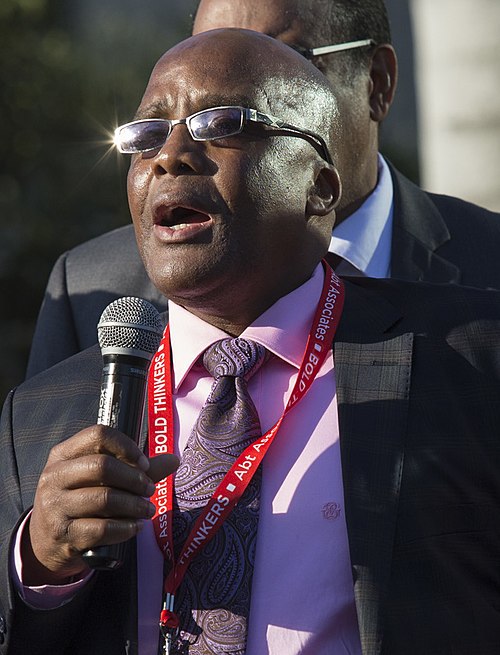
Aaron Motsoaledi
LP; Minister of Home Affairs
Abane Ramdane†
FLN Leader & Strategist
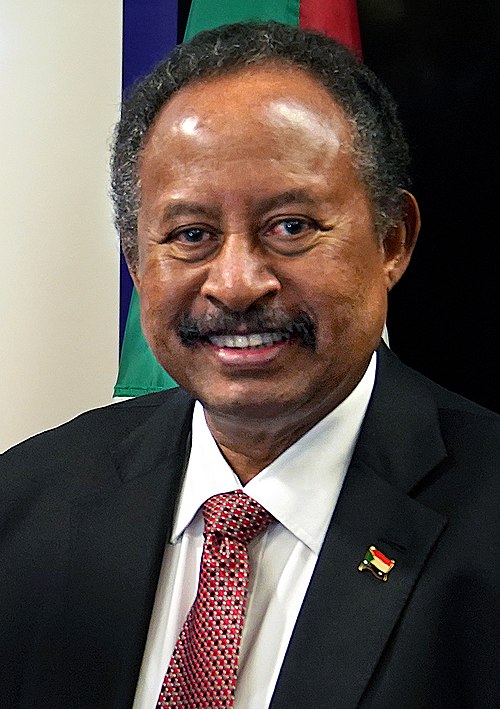
Abdalla Hamdok
Ex-Prime Minister
Abdallah Kigoda
Ex-Minister of Natural Resources