$1M
Estimated Net Worth
As of 2024 • low confidence
Financial Breakdown
Asset Distribution
Assets vs Liabilities
Assets
Disclaimer: These financial estimates are based on publicly available information and should be considered approximate. Last updated: 12/29/2025
Biography
Introduction: A Landmark Presidency Amidst Instability
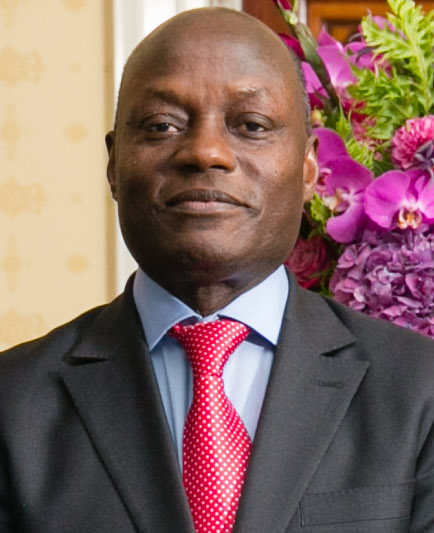
José Mário Vaz, often referred to by his nickname "Jomav," is a pivotal figure in the modern Politics & Government of West Africa. He served as the President of Guinea-Bissau from June 2014 to June 2020, a tenure that marked a significant, albeit turbulent, chapter in the nation's history. As the Ex-President (2014-2020), Vaz is notably the first democratically elected leader in Guinea-Bissau to complete a full presidential term without being deposed by a military coup since the country's independence in 1974. His election in 2014 was widely seen as a beacon of hope, ending a complex transitional period following a 2012 military coup. The presidency of José Mário Vaz was defined by its struggle to stabilize a fragile political system, navigate profound economic challenges, and manage a notoriously fractured political landscape, setting a precedent for constitutional order in a nation accustomed to upheaval.
Early Life & Education: Formative Years in Cacheu
José Mário Vaz was born on December 10, 1957, in Calequisse, a village within the Cacheu Region of what was then Portuguese Guinea. His early life was rooted in the agricultural rhythms and communal culture of his homeland. Demonstrating academic promise, he pursued his secondary education in the capital city of Bissau. For his higher education, Vaz ventured abroad, a common path for aspiring professionals from Guinea-Bissau at the time. He studied economics and finance, graduating with a degree in the field. This educational background in economics would later become a central theme of his political platform, focusing on fiscal management and development. His formative years instilled in him a deep understanding of both rural life and the economic structures that would shape his future career in public service. Before entering the national political arena, José Mário Vaz built a substantial career in public administration, serving for many years as a high-ranking official in the state treasury and finance departments, including a notable tenure as the Director of the Treasury.
Career & Major Achievements: The Path to and Through the Presidency
The political career of José Mário Vaz accelerated when he was appointed as the Minister of Economy and Finance. He later served as the Mayor of Bissau from 2004 to 2009, where he gained direct experience in governance and public administration at the municipal level. His reputation as a competent economist and administrator positioned him as a credible candidate in the pivotal 2014 presidential election.
The 2014 Election and First Democratic Transition
In the 2014 presidential election, José Mário Vaz ran as the candidate of the African Party for the Independence of Guinea and Cape Verde (PAIGC), the country's dominant political force. He emerged victorious in a run-off election, defeating Nuno Gomes Nabiam. His inauguration on June 23, 2014, was celebrated internationally as a restoration of constitutional order. This peaceful transition was, in itself, a major achievement, ending nearly two years of political limbo and offering a chance for democratic consolidation.
Economic Management and International Relations
As President, Vaz prioritized economic stabilization. He worked with international financial institutions like the International Monetary Fund (IMF) and the World Bank to manage Guinea-Bissau's substantial debt and secure funding for development. Key initiatives focused on the country's primary exports, cashew nuts and fish, aiming to increase revenue and formalize these critical sectors. In foreign policy, he maintained strong ties with traditional partners such as Portugal, Angola, and the European Union, while also engaging with broader international bodies to seek support for Guinea-Bissau's development and security sector reform.
Political Crisis and Institutional Deadlock
The most defining and challenging aspect of Vaz's presidency was the profound and protracted political crisis that began in 2015. A rift with the PAIGC leadership, particularly Prime Minister Domingos Simões Pereira, led to the dismissal of the government. This triggered a cycle of presidential dismissals and parliamentary deadlock that resulted in the appointment of seven different prime ministers during his six-year term. This instability paralyzed governance, hindered economic progress, and tested the resilience of the country's democratic institutions. Despite the chaos, Vaz's completion of his term in 2020, followed by his participation in the subsequent election, was viewed by many observers as a step forward for democratic norms, even if the process was deeply flawed.
Personal Life & Legacy: The Man Behind the Office
Known for a reserved and stoic public demeanor, José Mário Vaz maintained a focus on his family and his Catholic faith throughout his tumultuous presidency. His personal interests remained largely private, with public attention centered squarely on his political battles. His legacy is complex and subject to ongoing debate. Critics argue that his presidency was marked by missed opportunities, exacerbated political divisions, and failure to deliver on the high expectations of 2014. They point to the prolonged institutional crisis as a period of wasted potential. Supporters and some neutral analysts, however, credit him with a singular, historic achievement: completing a full presidential term. In a country with a long history of coups, assassinations, and unconstitutional interruptions, this established a critical precedent for the peaceful transfer of executive power through elections. His tenure demonstrated both the extreme fragility and the enduring possibility of democratic processes in Guinea-Bissau.
Net Worth & Business Ventures
As with many public figures in Guinea-Bissau, the precise net worth of José Mário Vaz is not publicly documented in transparent financial disclosures. His known career before the presidency was primarily in public service, notably in senior roles within the finance ministry and as Mayor of Bissau. These positions are not typically associated with significant private wealth accumulation through salary alone. There is no widely reported or verified information on substantial private business ventures owned by Vaz before or during his presidency. His public profile has been that of a career civil servant and politician rather than a business magnate. Any discussion of personal finances remains speculative, as Guinea-Bissau lacks stringent public asset declaration laws for its highest officials, a common challenge in transparency and governance within the region.
Conclusion
The story of José Mário Vaz is inextricably linked to the modern political journey of Guinea-Bissau. His election as Ex-President (2014-2020) symbolized a hard-won chance for stability, while his term exposed the deep-seated structural challenges within the nation's Politics & Government. Whether viewed as a steward who maintained constitutional continuity or a leader who presided over debilitating deadlock, his presidency undeniably shaped the contemporary political landscape. The completion of his term in 2020 and the subsequent election have set a new, albeit imperfect, benchmark for democratic transitions in Guinea-Bissau, ensuring that José Mário Vaz will remain a central figure in analyses of the country's ongoing struggle for sustainable governance.
Net Worth Analysis
As a former president of Guinea-Bissau, a low-income country with a history of political instability, his wealth is not publicly documented on major rich lists and is estimated based on his political career and regional context.
Quick Stats
Related People
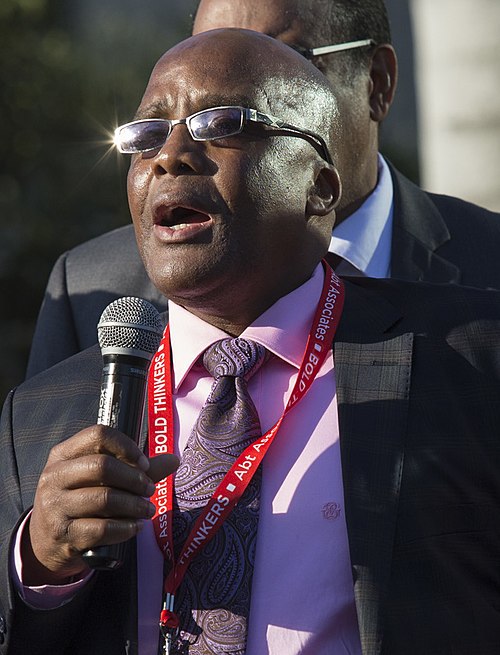
Aaron Motsoaledi
LP; Minister of Home Affairs
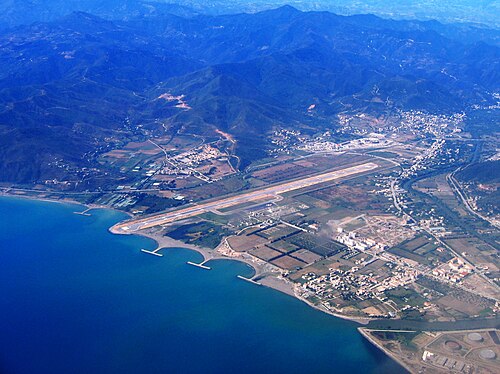
Abane Ramdane†
FLN Leader & Strategist
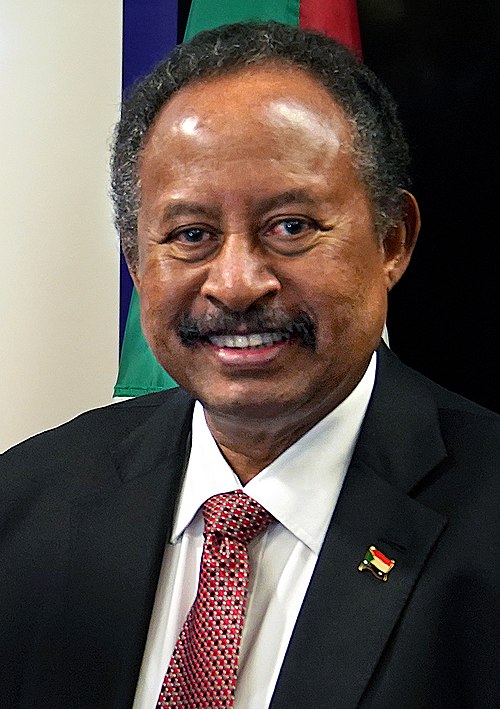
Abdalla Hamdok
Ex-Prime Minister
Abdallah Kigoda
Ex-Minister of Natural Resources