Biography
Introduction: The Unseen Architect of Liberation
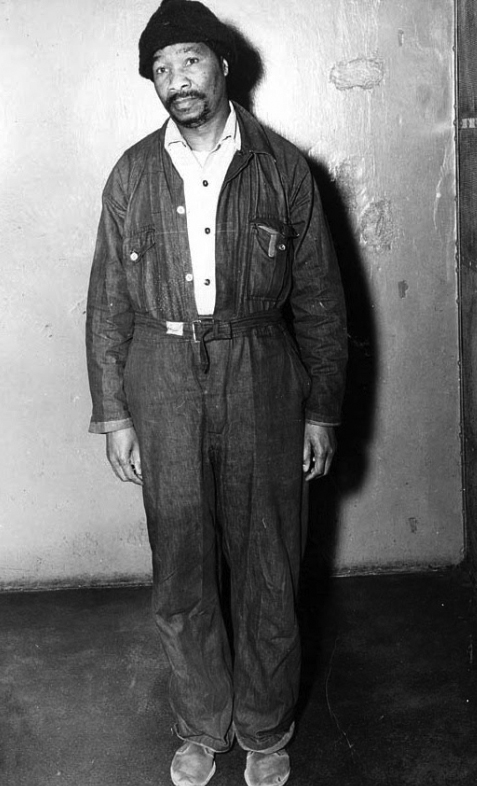
Govan Archibald Mvuyelwa Mbeki† (1910-2001) stands as one of the most profound and respected intellectual pillars of the South African liberation movement. A stalwart of the African National Congress (ANC) and the South African Communist Party (SACP), his legacy is defined by unwavering commitment, intellectual rigor, and immense personal sacrifice. While often remembered as the father of former President Thabo Mbeki, Govan Mbeki† was a formidable leader in his own right. His key achievement was his pivotal role in building the ANC's underground armed wing, Umkhonto we Sizwe (MK), and his profound influence as a political educator and theorist, particularly on rural peasant struggles. His 24-year imprisonment, 19 of which were served in the harsh conditions of Robben Island alongside Nelson Mandela and Walter Sisulu, cemented his status as a symbol of resilience and principled leadership in the fight against apartheid.
Early Life & Education: Forging a Rural Consciousness
Born on July 9, 1910, in the Nqamakwe district of the Transkei (now in the Eastern Cape), Govan Mbeki† was deeply shaped by his rural Xhosa heritage and the injustices of colonial and segregationist rule. His father, a chief, was deposed by the white magistrate for defending community land rights, an early lesson in the politics of dispossession. Mbeki attended mission schools, showing exceptional academic promise. He later attended the University of Fort Hare, the premier institution for black Southern Africans and a crucible for future leaders. However, his political activism led to his expulsion in 1936 before he could graduate, a pattern of sacrifice that would define his life.
His formative experiences included working as a teacher and a journalist. In the 1930s and 1940s, he edited the newspaper Territorial Magazine and later Inkundla ya Bantu (The Bantu Forum), which became a vital platform for anti-colonial thought. It was during this period that his keen analytical mind turned to the conditions of the rural peasantry. He witnessed firsthand the devastating effects of land dispossession, cattle culling, and exploitative labor practices like the "dop" system in the Western Cape. These experiences forged his belief that the rural masses were a potent revolutionary force, a perspective that would later distinguish his analysis within the liberation movement.
Career & Major Achievements: Theorist, Organizer, and Prison Graduate
Govan Mbeki's† career was a seamless blend of intellectual work and grassroots organization. He joined the ANC in 1935 and the Communist Party in the early 1960s, seeing both as essential vehicles for liberation. His major achievements are multifaceted and central to South Africa's political history.
The Peasant's Voice and Underground Mobilization
In the 1950s and early 1960s, Mbeki was a central figure in the ANC's work in the Eastern Cape. His seminal work, South Africa: The Peasants' Revolt (1964), provided a groundbreaking Marxist analysis of rural oppression and resistance, particularly the Pondoland Revolt. This book established him as the preeminent theorist of the rural struggle. Following the banning of the ANC in 1960, he went underground, becoming a key member of the ANC's National Executive Committee. He played a crucial role in the formation and early command of Umkhonto we Sizwe, tasked with mobilizing rural support and establishing underground networks.
The Rivonia Trial and Robben Island
In 1963, security police raided Liliesleaf Farm in Rivonia, arresting the high command of MK. Govan Mbeki† was among those captured. At the historic Rivonia Trial (1963-1964), he, along with Nelson Mandela, Walter Sisulu, and others, faced the death penalty for sabotage. In a defiant statement, he declared, "We are in a struggle to the bitter end." All were sentenced to life imprisonment on June 12, 1964. On Robben Island, Mbeki, known by his clan name "Oom Gov" or the "Old Man," became a revered teacher. He led political education seminars, taught economics and history, and earned a Bachelor of Arts and a Bachelor of Economics degrees from the University of South Africa through correspondence, inspiring a generation of younger prisoners.
Release and Transition to Democracy
After 24 years in prison, Govan Mbeki† was released in November 1987, ahead of his comrades, in a move by the apartheid government to sow division. He refused to be used, immediately reaffirming his loyalty to the ANC and the Mass Democratic Movement. In the transition to democracy, he served as a member of the ANC's National Executive Committee. Following the first democratic elections in 1994, he was appointed Deputy President of the Senate (the upper house of Parliament, later the National Council of Provinces), a position he held until his retirement in 1997. In 1999, he was awarded the Isithwalandwe/Seaparankoe, the ANC's highest honor.
Personal Life & Legacy: The Stoic Revolutionary
Personally, Govan Mbeki† was known for his stoicism, discipline, and intellectual depth. He was a man of few words but profound insight. His marriage to Epainette Moerane was a partnership of activists; she maintained the family and their business in the Eastern Cape while he was imprisoned. They had four children: the late political economist Moeletsi Mbeki, former President Thabo Mbeki, academic Linda Mbeki, and journalist Jama Mbeki. His personal interests were inextricably linked to his political work—reading, writing, and teaching were his passions and his weapons.
His legacy is monumental. Govan Mbeki† is remembered as the intellectual who centered the peasantry in the liberation narrative, the resilient "Old Man" of Robben Island who educated the exiles-to-be, and a leader who embodied principled sacrifice. His life reminds South Africans that the struggle was built not only on charismatic figures but on the deep, analytical, and often unseen work of thinkers and organizers. His legacy continues to be debated and studied, particularly his views on economic transformation, which remain highly relevant in contemporary South Africa.
Net Worth & Business Ventures
Unlike many political figures, Govan Mbeki† did not accumulate personal wealth or engage in significant business ventures. His life was one of material sacrifice for political principle. Before his imprisonment, he and his wife, Epainette, ran a small cooperative store in Mbewuleni, Port Elizabeth (now Gqeberha), which served the local community. This venture was less about profit and more about providing a service in a deprived area and embodying cooperative principles. After his release from prison and following the democratic transition, he lived a modest life on a state pension and the benefits due to a former parliamentarian. His "wealth" was measured in respect, intellectual contribution, and the enduring legacy of a life dedicated entirely to the liberation of his people. He passed away on August 30, 2001, leaving no fortune but an immeasurable political inheritance.
Sources & Further Reading: Key information in this biography is drawn from authoritative sources including the South African History Online, the Nelson Mandela Foundation, Mbeki's own writings such as South Africa: The Peasants' Revolt, and historical records of the Truth and Reconciliation Commission.
Net Worth Analysis
Govan Mbeki was a political activist and intellectual, not a business figure; his wealth was not material and he died in 2001.
Quick Stats
Related People
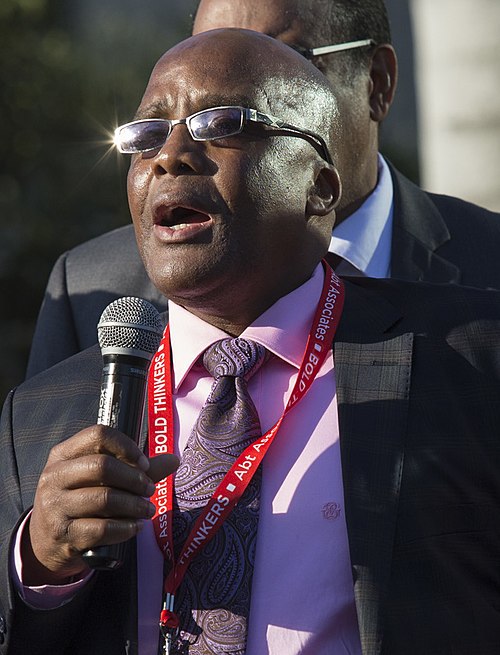
Aaron Motsoaledi
LP; Minister of Home Affairs
Abane Ramdane†
FLN Leader & Strategist
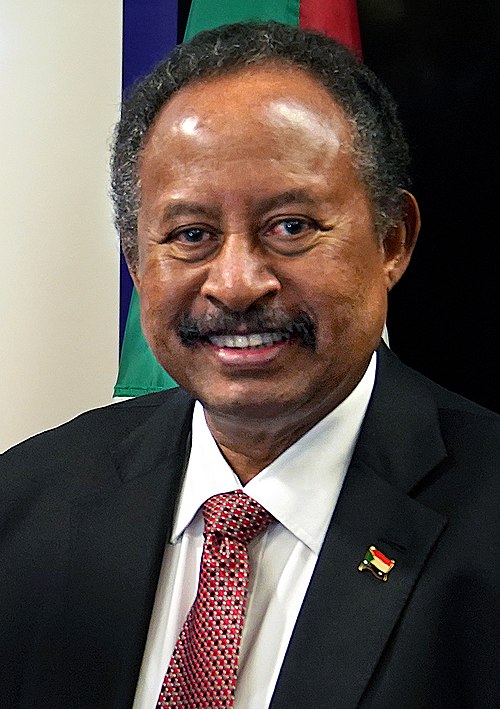
Abdalla Hamdok
Ex-Prime Minister
Abdallah Kigoda
Ex-Minister of Natural Resources