Financial Breakdown
Asset Distribution
Assets vs Liabilities
Assets
Disclaimer: These financial estimates are based on publicly available information and should be considered approximate. Last updated: 12/29/2025
Biography
Introduction: The Architect of Modern Egypt
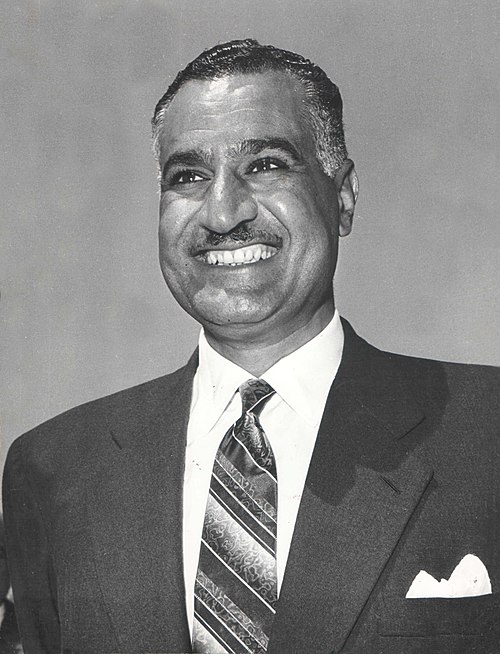
Gamal Abdel Nasser† stands as one of the most consequential figures in the modern history of the Middle East. As the second President of Egypt from 1956 until his death in 1970, Nasser was the charismatic and forceful leader who fundamentally reshaped the political landscape of the Arab world. His rise to power marked the definitive end of colonial influence and monarchic rule in Egypt, ushering in the "Liberation Era." Nasser's key achievement was the nationalization of the Suez Canal in 1956, a bold act of defiance against Western powers that catapulted him to iconic status across the Politics & Government spheres of the Global South. More than just a national leader, Gamal Abdel Nasser† became the symbol of Pan-Arabism—a political ideology advocating for the unity, independence, and socialist transformation of Arab nations. His legacy, a complex tapestry of ambitious social reforms, geopolitical triumphs, and sobering military setbacks, continues to evoke powerful emotions and debate decades after his passing.
Early Life & Education: Forging a Revolutionary Spirit
Born on January 15, 1918, in the Bacos district of Alexandria, Gamal Abdel Nasser† came from a modest background. His father was a postal clerk whose job necessitated frequent moves, allowing the young Nasser to experience life in various Egyptian towns and villages. This early exposure to the stark realities of Egyptian peasant life and the visible presence of British colonial authority planted the seeds of his nationalist fervor. A pivotal moment in his youth was his participation in anti-British demonstrations, during which he was reportedly wounded and briefly imprisoned.
Seeking a path to serve his nation, Nasser entered the Royal Military Academy in Cairo in 1937. His time in the military was transformative. He graduated as a second lieutenant in 1938 and served in Sudan, where he forged crucial bonds with fellow officers who shared his disillusionment with the corrupt monarchy of King Farouk and the lingering British occupation. The humiliating defeat of Arab armies in the 1948 Arab-Israeli War, where Nasser was besieged at the Faluja pocket, cemented his belief that the existing political order was rotten and had to be overthrown. It was during this period that he helped found the clandestine Free Officers Movement, a revolutionary cell dedicated to seizing power and reclaiming Egypt's sovereignty.
Career & Major Achievements: Revolution, Reform, and Resistance
The career of Gamal Abdel Nasser† is synonymous with the modern history of Egypt. On July 23, 1952, the Free Officers, with Nasser as their chief strategist, executed a nearly bloodless coup that forced King Farouk into exile. While General Muhammad Naguib initially served as a figurehead president, Nasser, holding the position of Deputy Prime Minister and Minister of the Interior, was the movement's true power. By 1954, he had outmaneuvered Naguib and assumed the premiership, becoming the undisputed leader of the new Egyptian republic.
The Suez Crisis and the Peak of Pan-Arabism
Nasser's defining moment came on July 26, 1956. In a dramatic speech in Alexandria, he announced the nationalization of the Suez Canal Company, transferring control from British and French shareholders to the Egyptian state. This act, funding the ambitious Aswan High Dam project after Western financing was withdrawn, triggered the Suez Crisis. The subsequent tripartite aggression by Israel, Britain, and France ended in a political victory for Nasser, as U.S. and Soviet pressure forced the invaders to withdraw. Overnight, Gamal Abdel Nasser† became the heroic champion of Arab dignity and anti-imperialism. His ideology, "Nasserism," blending Arab nationalism, socialism, and non-alignment, gained millions of adherents. The short-lived political union with Syria as the United Arab Republic (1958-1961) represented the high-water mark of his Pan-Arab dream.
Domestic Policy and the Socialist Path
Domestically, Nasser's rule was characterized by sweeping socialist reforms and authoritarian state-building. Key achievements included:
- Land Reform: Breaking up large estates and redistributing land to peasants.
- Industrialization: Major state-led projects to build a domestic industrial base.
- Social Welfare: Expansion of free education, healthcare, and guarantees of government employment for university graduates.
- Construction of the Aswan High Dam: A monumental project completed in 1970 to control the Nile's floods, provide irrigation, and generate hydroelectric power, symbolizing Egypt's modernization.
The Setback and the End of an Era
The latter part of Nasser's presidency was marred by regional and military challenges. Egypt's costly involvement in the Yemen Civil War (1962-1967) drained resources. The catastrophic defeat in the Six-Day War of June 1967 against Israel was a profound personal and national trauma. The Israeli occupation of the Sinai Peninsula, Gaza Strip, West Bank, and Golan Heights shattered the image of Arab military potency under Nasser's leadership. In a gesture of responsibility, he announced his resignation, but massive popular demonstrations across the Arab world compelled him to remain in office. He spent his final three years rebuilding the military and navigating the complexities of the Cold War, before dying suddenly of a heart attack on September 28, 1970, at the age of 52.
Personal Life & Legacy: The Man and the Symbol
Despite his very public persona, Gamal Abdel Nasser† was known to be a relatively private and austere man in his personal life. He was married to Tahia Kazim, and they had five children. He was described as a devoted family man who enjoyed listening to classical Arabic music and reading. Unlike many autocrats, he did not amass a personal fortune; his lifestyle was modest, especially compared to the ousted monarchy. His "philanthropy" was state-directed, channeled through the expansive social welfare programs that defined his socialist policies.
Nasser's legacy is immense and dual-edged. He is remembered as the leader who restored Egyptian sovereignty, gave voice to the Arab masses, and implemented progressive social reforms that expanded education and reduced poverty. His vision of Arab unity, though unrealized, inspired a generation. Conversely, critics point to his authoritarian rule, the establishment of a militarized police state, economic mismanagement, and the devastating defeat of 1967. Yet, his funeral in Cairo drew millions of mourners from across the Arab world, a testament to his enduring stature as a symbol of dignity and resistance. The political structures he built in Egypt endured for decades, and his name remains a powerful touchstone in the discourse of Politics & Government across the Middle East.
Net Worth & Business Ventures: A Leader's Modesty
In the context of Politics & Government, particularly for a revolutionary leader like Gamal Abdel Nasser†, conventional metrics of net worth and private business ventures are largely inapplicable. Nasser's rise was predicated on opposing the vast wealth and corruption associated with the monarchy and the landed aristocracy. Historical accounts and biographies consistently portray him as living a life of personal modesty. He did not engage in private business ventures; instead, his economic focus was entirely on nationalizing key industries (like the Suez Canal, banks, and large companies) and directing them under state control as part of his Arab socialist program. His primary residence was a state-owned house previously belonging to a former royal minister. While his policies controlled vast national resources, there is no evidence or credible claim that he accumulated significant personal wealth. His "value" was measured in political capital and the loyalty of millions, not in personal fortune, which aligned with his public image as a leader of and for the common people.
Net Worth Analysis
Gamal Abdel Nasser died in 1970 and held a public service role; he did not accumulate significant personal wealth.
Quick Stats
Related People
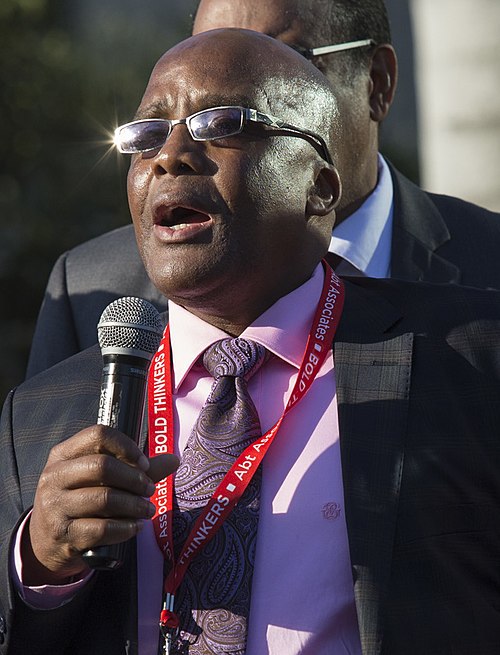
Aaron Motsoaledi
LP; Minister of Home Affairs
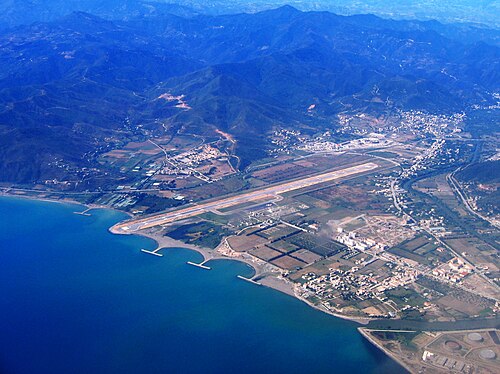
Abane Ramdane†
FLN Leader & Strategist
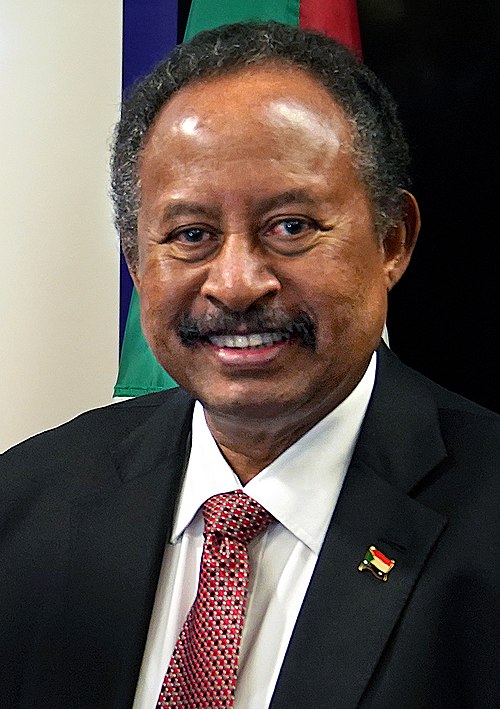
Abdalla Hamdok
Ex-Prime Minister
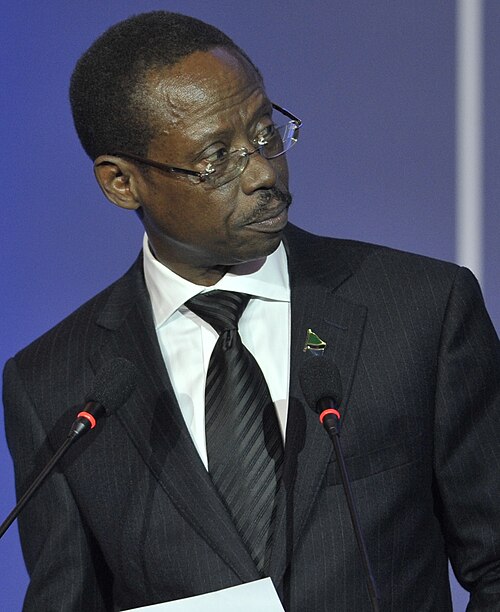
Abdallah Kigoda
Ex-Minister of Natural Resources