Biography
Introduction: The Unwavering "Kathy"
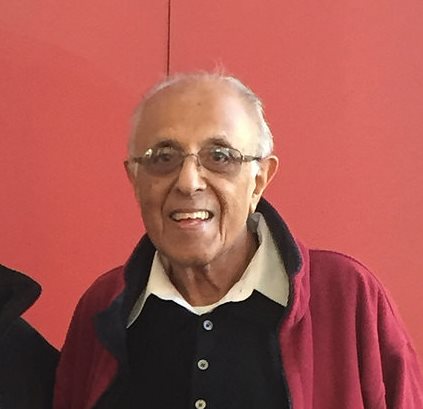
Ahmed Kathrada†, affectionately known as "Kathy," stands as an enduring icon of the South African Liberation Era. His life is a profound narrative of resilience, intellectual fortitude, and unwavering commitment to justice. As a key member of the African National Congress (ANC) and a close comrade of Nelson Mandela, Kathrada's legacy is inextricably linked to the struggle against apartheid. His most defining period was the 26 years he spent as a political prisoner, 18 of which were on the notorious Robben Island. A stalwart in the realm of Politics & Government, Kathrada was not only a freedom fighter but also a thoughtful leader who, after apartheid, served as a parliamentary counsellor and dedicated his life to promoting non-racialism and human rights. His story is a cornerstone of modern South Africa's history.
Early Life & Education: The Seeds of Activism
Ahmed Mohamed Kathrada was born on 21 August 1929 in the small rural town of Schweizer-Reneke, in what is now South Africa's North West province. He was the fourth of six children in a Gujarati-speaking Indian Muslim family. This background placed him within the Politics & Government structures of the time that classified and oppressed people by race. His political consciousness awakened early. At the tender age of 12, he joined the Young Communist League of South Africa, drawn to its principles of non-racialism and equality.
His formal education was deeply interrupted by his activism. While a student at the Johannesburg Indian High School, he left at 17 to work full-time for the Transvaal Passive Resistance Council, led by Dr. Yusuf Dadoo. His formative experience was his role in the 1946 Passive Resistance Campaign against the Asiatic Land Tenure and Indian Representation Act, which sought to further segregate Indian South Africans. It was during this campaign that he was arrested for the first time and imprisoned for a month—a precursor to the decades of imprisonment he would later face. Despite these interruptions, Kathrada was a voracious reader and autodidact, a trait that would sustain him and his comrades during his long incarceration.
Career & Major Achievements: From Activist to Prisoner to Statesman
Rising Through the Ranks of Resistance
In the 1950s, Ahmed Kathrada† became a full-time organiser for the Congress Movement. He played a significant role in the 1952 Defiance Campaign, leading a group of volunteers in Johannesburg, which resulted in another arrest and a suspended sentence. He was one of 156 activists tried and acquitted in the marathon Treason Trial (1956-1961). As the apartheid regime intensified its repression, Kathrada, along with other leaders, helped establish the underground military wing, Umkhonto we Sizwe (MK), in 1961. He served on its High Command, focusing on recruitment and propaganda.
The Rivonia Trial and Robben Island Incarceration
The turning point in Kathrada's life came on 11 July 1963, when police raided Liliesleaf Farm in Rivonia. Ahmed Kathrada† was arrested alongside almost the entire senior leadership of the ANC and MK. In the ensuing Rivonia Trial, he was charged with sabotage and conspiracy to overthrow the government. In a historic courtroom stand, he and his co-accused, including Nelson Mandela and Walter Sisulu, used the trial to articulate their vision for a free South Africa. On 12 June 1964, Kathrada was sentenced to life imprisonment and sent to Robben Island.
Prisoner number 468/64 endured 26 years behind bars. On Robben Island, he earned a BA in History, Criminology, and Bibliography, and Bachelors in Library Science and African Politics through correspondence studies. He, along with other educated prisoners like Mandela, formed the "University of Robben Island," mentoring younger inmates and fostering intense political debate. His role was often that of a political educator and a vital link between different groups within the prison, embodying the non-racialism he preached.
Post-Apartheid Contributions
Finally released on 15 October 1989, Ahmed Kathrada† dove straight back into the transition politics. He was elected to the ANC National Executive Committee in 1991. In South Africa's first democratic election in 1994, he was elected to Parliament and served as Parliamentary Counsellor to President Nelson Mandela. In this crucial role in the new Politics & Government, he was a trusted advisor during the foundational years of democracy. He later chaired the Robben Island Council, ensuring the preservation of the prison as a UNESCO World Heritage Site and a symbol of triumph over oppression.
Personal Life & Legacy: The Moral Compass
Despite the immense hardships he faced, Ahmed Kathrada† was known for his gentle demeanor, sharp wit, and unwavering moral compass. He married former fellow anti-apartheid activist Barbara Hogan in 1994. His personal interests were deeply intellectual, centered on reading, writing, and history. After retiring from active politics, he dedicated himself to the work of the Ahmed Kathrada Foundation, established in 2008. The foundation's core mission is to deepen non-racialism, foster leadership, and promote the values of the Freedom Charter and the South African Constitution.
His legacy is multifaceted. He is remembered as:
- The Robben Island Prisoner: A symbol of resilience and the power of the human spirit.
- The Intellectual Activist: Who emphasized education and ethical leadership.
- The Champion of Non-Racialism: Who consistently fought for a society where race would not determine one's destiny.
- The Conscience of the Nation: In his later years, he did not shy away from publicly critiquing corruption within the ANC, urging the party to return to its moral foundations.
Ahmed Kathrada† passed away on 28 March 2017. His funeral was attended by people from all walks of South African life, a testament to his universal respect. The foundation that bears his name continues to be a vital voice in South African civil society, ensuring that the principles for which he sacrificed so much are not forgotten.
Net Worth & Business: A Life of Service
Unlike many political figures, Ahmed Kathrada†'s life was not one of financial accumulation but of profound service and sacrifice. His "career" was the struggle for freedom, which came with immense personal cost—including the loss of his prime earning years to imprisonment. There is no public record or indication of significant personal wealth, business ventures, or a traditional net worth associated with him. His post-apartheid income derived from his parliamentary salary and later from his pension and foundation work.
His true "wealth" lies in his enduring legacy, the respect he commanded across the globe, and the institutional memory he helped preserve. The Ahmed Kathrada Foundation operates as a non-profit organization, funded by donations and grants, focused on social justice rather than profit. Kathrada's life reminds us that the value of a leader is measured not in monetary terms, but in their contribution to human dignity and freedom. His estate, likely modest, is dedicated to supporting his foundation's ongoing mission to combat racism and promote the democratic ideals he fought for throughout his life in South Africa.
For further reading on the life of Ahmed Kathrada†, consider his memoir "A Free Mind: Ahmed Kathrada's Notebook from Robben Island" or visit the official website of the Ahmed Kathrada Foundation.
Net Worth Analysis
Ahmed Kathrada was an anti-apartheid activist and political prisoner, not a businessperson, and his wealth was not derived from commercial ventures.
Quick Stats
Related People
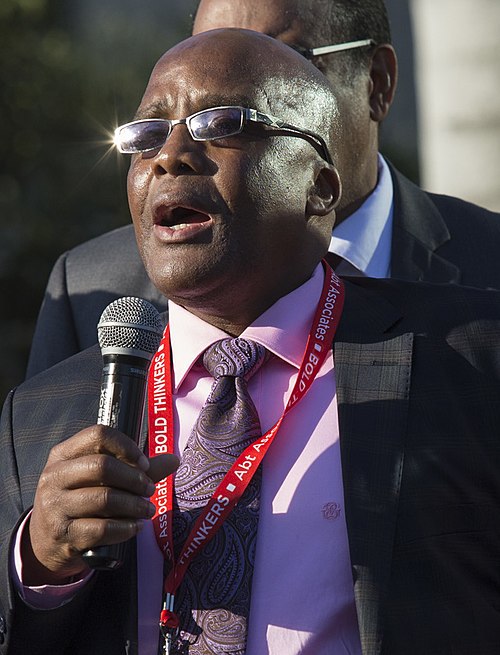
Aaron Motsoaledi
LP; Minister of Home Affairs
Abane Ramdane†
FLN Leader & Strategist
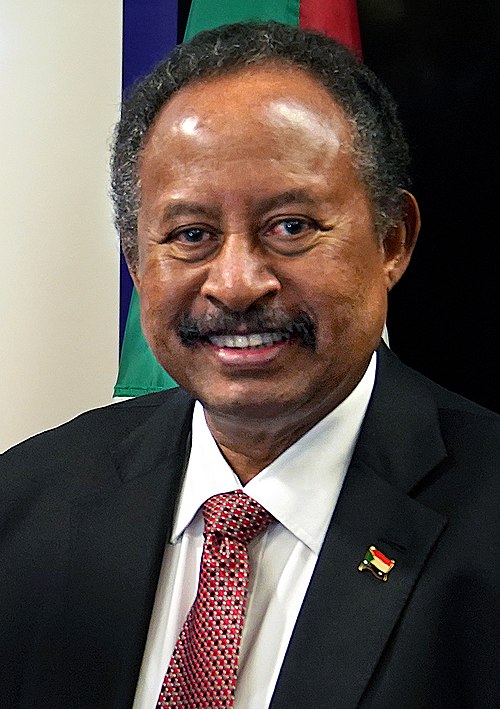
Abdalla Hamdok
Ex-Prime Minister
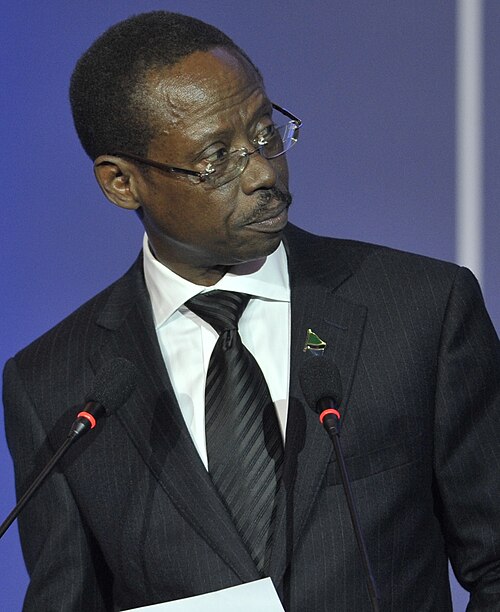
Abdallah Kigoda
Ex-Minister of Natural Resources