How African Wealth Changed in the Last Decade
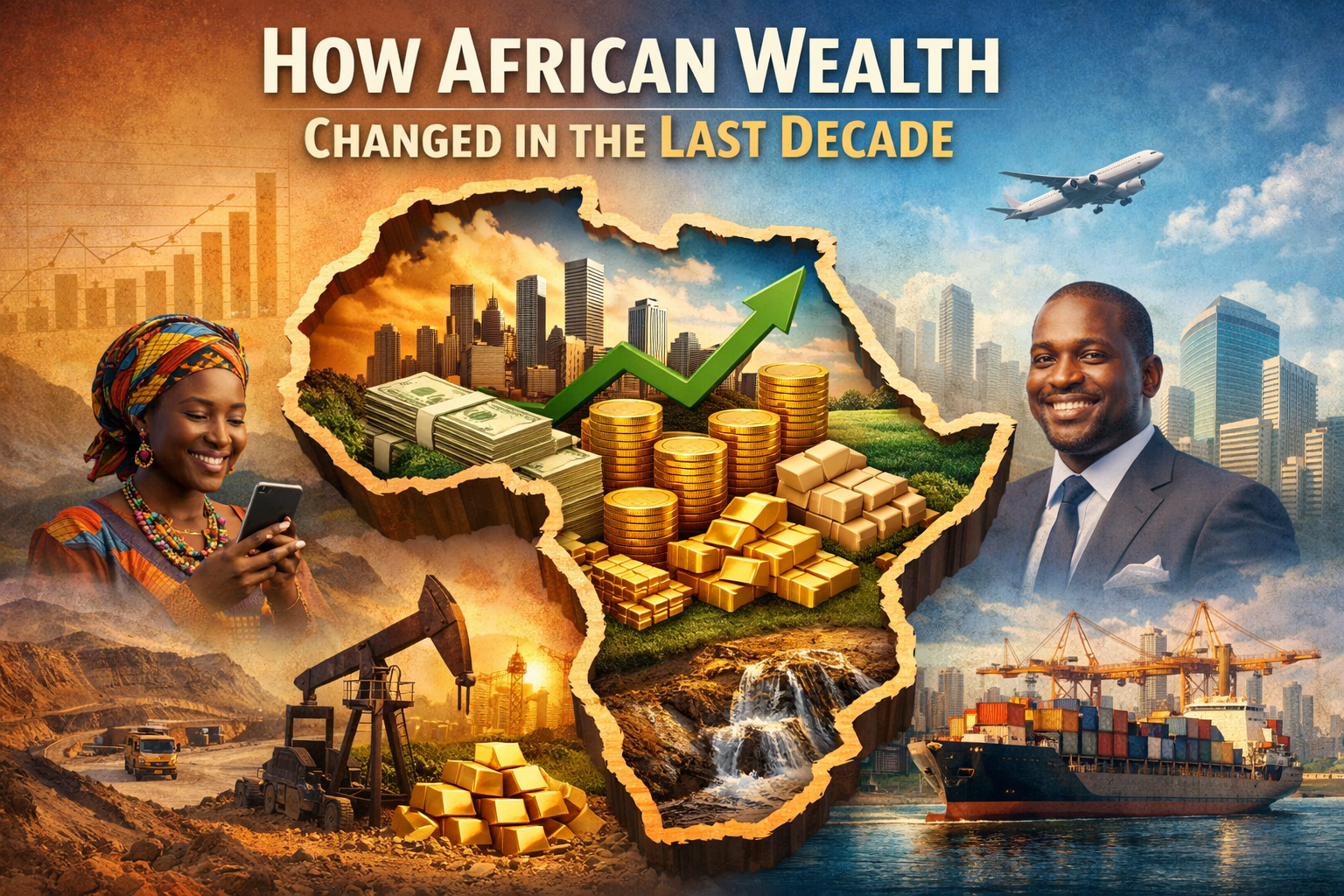
The past decade has witnessed a remarkable transformation in Africa's wealth landscape, marked by explosive growth in technology, shifting economic centers, and the rise of a new generation of entrepreneurs who have fundamentally reshaped the continent's financial trajectory.
The Numbers Tell a Compelling Story
Between 2013 and 2023, Africa's collective wealth grew substantially, though unevenly across the continent. While traditional economic powerhouses like South Africa, Egypt, and Nigeria maintained their positions, new centers of wealth emerged in Kenya, Ghana, and Rwanda. The continent saw a significant increase in the number of high-net-worth individuals, with the millionaire population growing despite global economic headwinds, including the pandemic and geopolitical tensions.
What's particularly striking is not just the growth in absolute wealth, but the diversification of where that wealth comes from. A decade ago, African wealth was heavily concentrated in natural resources, real estate, and traditional industries. Today, technology, telecommunications, financial services, and consumer goods have emerged as major wealth creators.
The Technology Revolution
Perhaps no sector better exemplifies Africa's wealth transformation than technology. The 2010s and early 2020s saw the rise of Africa's "Silicon Savannah" in Kenya and thriving tech ecosystems in Nigeria, South Africa, and beyond. Aliko Dangote remained Africa's wealthiest individual for much of the decade, building his cement, sugar, and flour empire across the continent, but he was joined by a new wave of wealth creators.
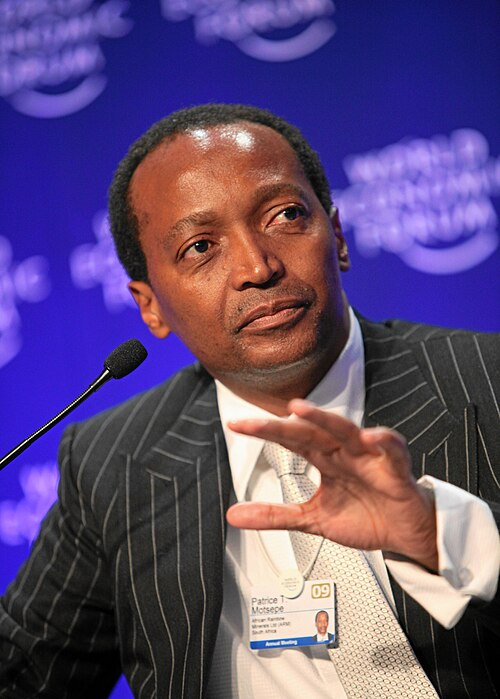
Patrice Motsepe, through his mining and investment company African Rainbow Minerals, became one of Africa's first Black billionaires and has been instrumental in advocating for inclusive capitalism across the continent. His wealth and influence extended beyond mining into banking, insurance, and sports.
In Nigeria, Tony Elumelu, founder of Heirs Holdings and chairman of the United Bank for Africa, didn't just accumulate wealth—he created a philosophy around it. His concept of "Africapitalism" argues that the private sector has a responsibility to transform Africa through long-term investments that create economic prosperity and social wealth. Through the Tony Elumelu Foundation, he's committed over $100 million to empower African entrepreneurs.
Mike Adenuga, another Nigerian billionaire, built his fortune in telecommunications through Globacom and oil production, demonstrating how infrastructure development became a pathway to massive wealth creation across Africa.
The Fintech and E-commerce Boom
The last decade saw African entrepreneurs solve uniquely African problems in ways that created enormous value. Mobile money transformed from a Kenyan innovation to a continental phenomenon, with M-Pesa processing billions of dollars in transactions annually. This created opportunities for countless businesses and enabled financial inclusion for millions previously locked out of formal banking.
The e-commerce revolution brought new players to prominence. Ashish Thakkar, though born in the UK and raised in Uganda, became one of Africa's youngest billionaires through his Mara Group, which spans 25 African countries with interests in technology, real estate, and infrastructure.
In South Africa, Koos Bekker transformed Naspers from a traditional media company into a global technology investment powerhouse, with early stakes in Tencent yielding extraordinary returns that reshaped South African wealth metrics.
Women Breaking Barriers
The decade also witnessed significant progress in women's wealth creation, though challenges remain. Folorunsho Alakija of Nigeria, with interests in fashion, oil, and real estate, became one of Africa's wealthiest women. Isabel dos Santos, though later controversial, was once considered Africa's richest woman through her stakes in Angolan and Portuguese companies spanning telecommunications, media, and energy.
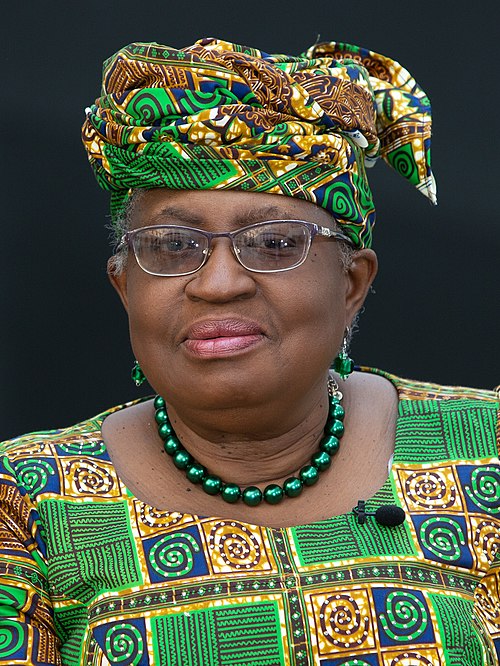
Bethlehem Tilahun Alemu, founder of soleRebels in Ethiopia, built a global footwear brand that proved African manufacturing could compete on the world stage. Meanwhile, women like Ngozi Okonjo-Iweala, who became the first African Director-General of the WTO in 2021, influenced wealth creation through policy and economic reform rather than just business ownership.
The Resource Shift
While traditional resource wealth remained important, the past decade saw a significant shift in how resource wealth was created and distributed. Abdul Samad Rabiu of BUA Group in Nigeria demonstrated how diversification from one sector (cement, sugar, real estate) could create resilient wealth. His approach of backward integration and local production became a model for sustainable wealth creation.
In mining, figures like South Africa's Nicky Oppenheimer, from the De Beers diamond dynasty, adapted to changing market conditions while new mining entrepreneurs emerged across the Democratic Republic of Congo, Tanzania, and West Africa.
The Diaspora Effect
One often-overlooked aspect of Africa's wealth transformation has been the role of diaspora entrepreneurs who brought capital, expertise, and global networks back to the continent. This "reverse brain drain" injected innovation and international best practices into African businesses, particularly in technology and professional services.
Infrastructure and Real Estate
The construction boom across African cities created significant wealth for developers and construction magnates. From luxury developments in Nairobi and Lagos to affordable housing projects in Rwanda, real estate became a store of value and a creator of generational wealth for a new class of African property developers.
Mohammed Dewji of Tanzania, through his METL Group, exemplified the modern African industrialist, with interests spanning manufacturing, agriculture, and trading across East and Central Africa.
The Challenges and Contradictions
This wealth transformation hasn't been without complications. Growing inequality remained a persistent challenge, with wealth concentration often stark against the backdrop of widespread poverty. Currency fluctuations, particularly in Nigeria, Zimbabwe, and Egypt, meant that wealth on paper could evaporate quickly when measured in dollars.
Political instability, corruption, and regulatory uncertainty continued to shape—and sometimes constrain—wealth creation. Some fortunes built through government connections faced scrutiny as transparency and governance standards evolved.
Looking Forward
As we move into the second half of the 2020s, African wealth creation appears poised for further transformation. Climate technology, renewable energy, agricultural innovation, and digital infrastructure are emerging as the next frontiers. The African Continental Free Trade Area, launched in 2021, promises to create opportunities for a new generation of continental businesses.
The past decade proved that African wealth creation is increasingly driven by African solutions to African challenges, by entrepreneurs who understand local contexts while thinking globally. From Dangote's pan-African industrial vision to the tech innovators building digital solutions from Lagos to Nairobi, the story of African wealth over the past decade is ultimately a story of agency, innovation, and the recognition that Africa's future will be built by Africans themselves.
The question now isn't whether African wealth will continue to grow, but how that wealth will be distributed and whether it will translate into broader prosperity for the continent's rapidly growing population. The entrepreneurs and business leaders of the past decade have laid a foundation; the next decade will reveal whether that foundation can support truly inclusive economic transformation.
Featured Profiles
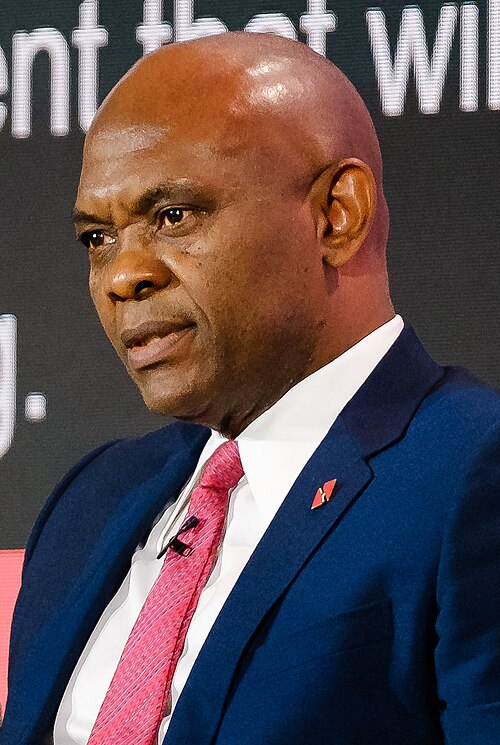
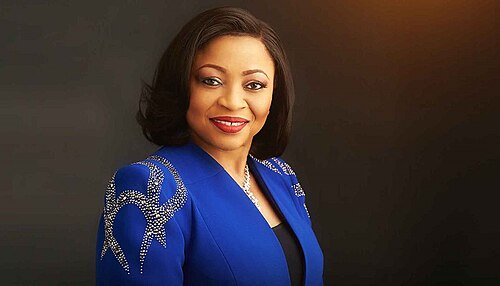
Related Articles

When Do I Reassess My Budget?
Creating a budget is only half the battle—knowing when to revisit and revise it is what keeps your f ...
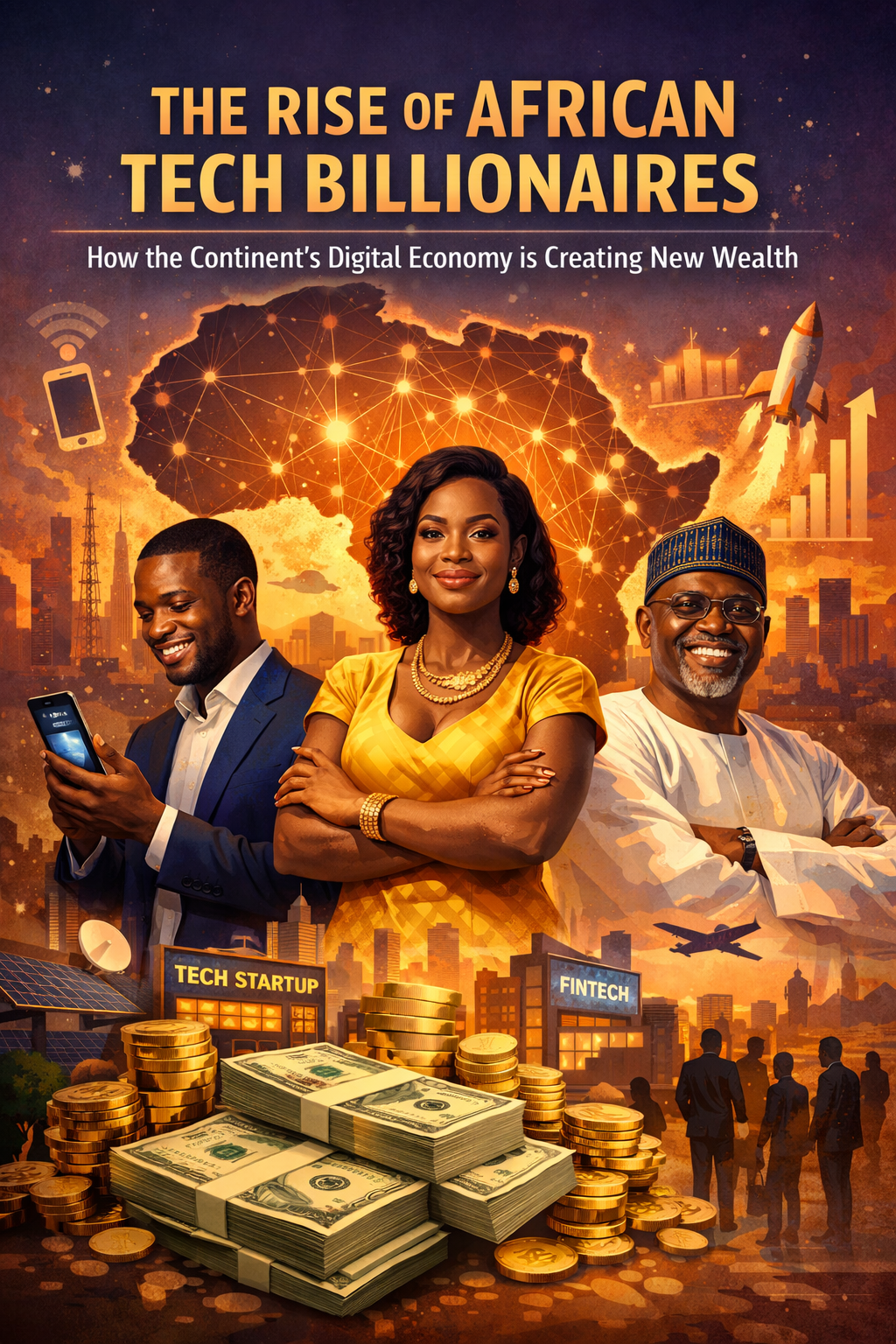
The Rise of African Tech Billionaires: How the Continent's Digital Economy is Creating New Wealth
Africa's wealth landscape is undergoing a dramatic transformation. While the continent has long been ...